If you’re growing maize, drilling grass into a standing maize crop can bring multiple benefits and now is the perfect time to sow Italian ryegrass with CoverCoat. Broadcasting Italian ryegrass into standing maize as a covercrop protects the soil, preventing soil erosion and improving ...
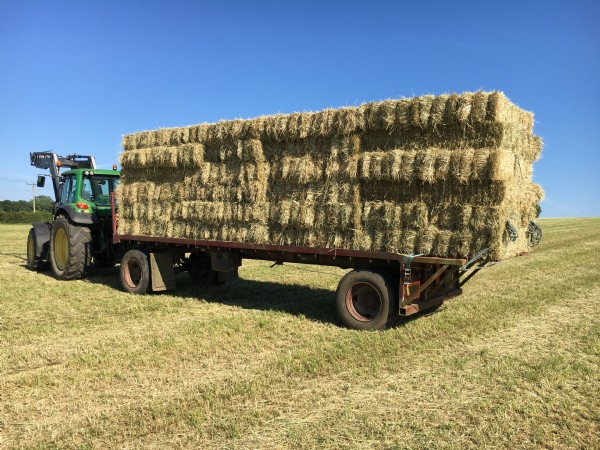
The hot weather in the middle of June has really helped with hay-making.
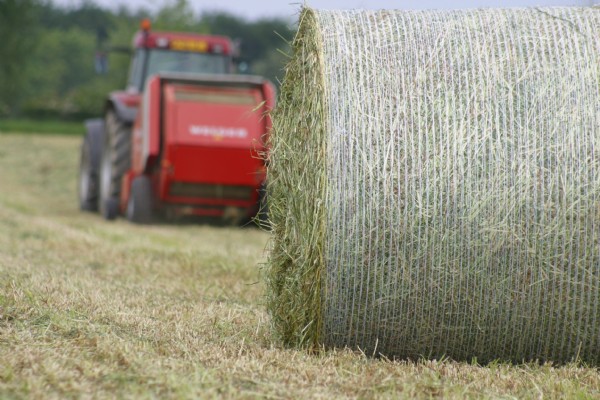
A two year Italian Ryegrass Ley sown in Autumn last year has produced top quality hard horse hay ideal for the racehorse market. The regrowth from the hay cuts can either be cut for haylage later in the season or hay if the ...
Our intern this summer is Amy Watts, who is in the second year of a degree in agriculture at the Royal Agricultural University.
Amy, from the Forest of Dean, has been helping on her family’s sheep farm since she was a young child, involved with hay making and lambing, at which she’s ...
Sow westerwold annual ryegrass now and you’ll have a high yielding hay crop ready for cutting within just three to four months time.
Other forage leys which take longer to establish need to be sown in Autumn for a hay crop the following Spring but the wonder of westerwolds is that it grows ...
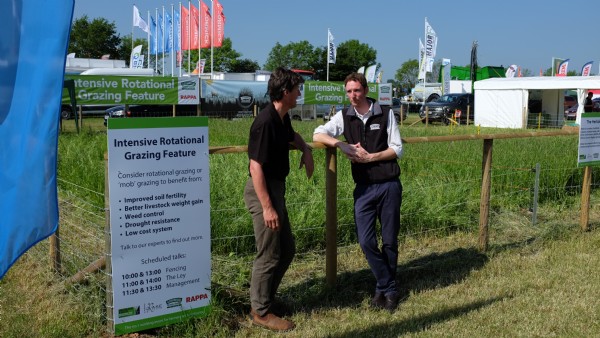
We’ve just returned from two great days at Grassland & Muck 2017. In a first for the Royal Agricultural Society’s biennial show, livestock featured on our plot. The six Texel sheep played a crucial role in the ‘Intensive Rotational Grazing Feature’ which we ran together ...
< Previous Page 1 ... 60 61 62 63 64 ... 95 Next Page >