

 Seed
Seed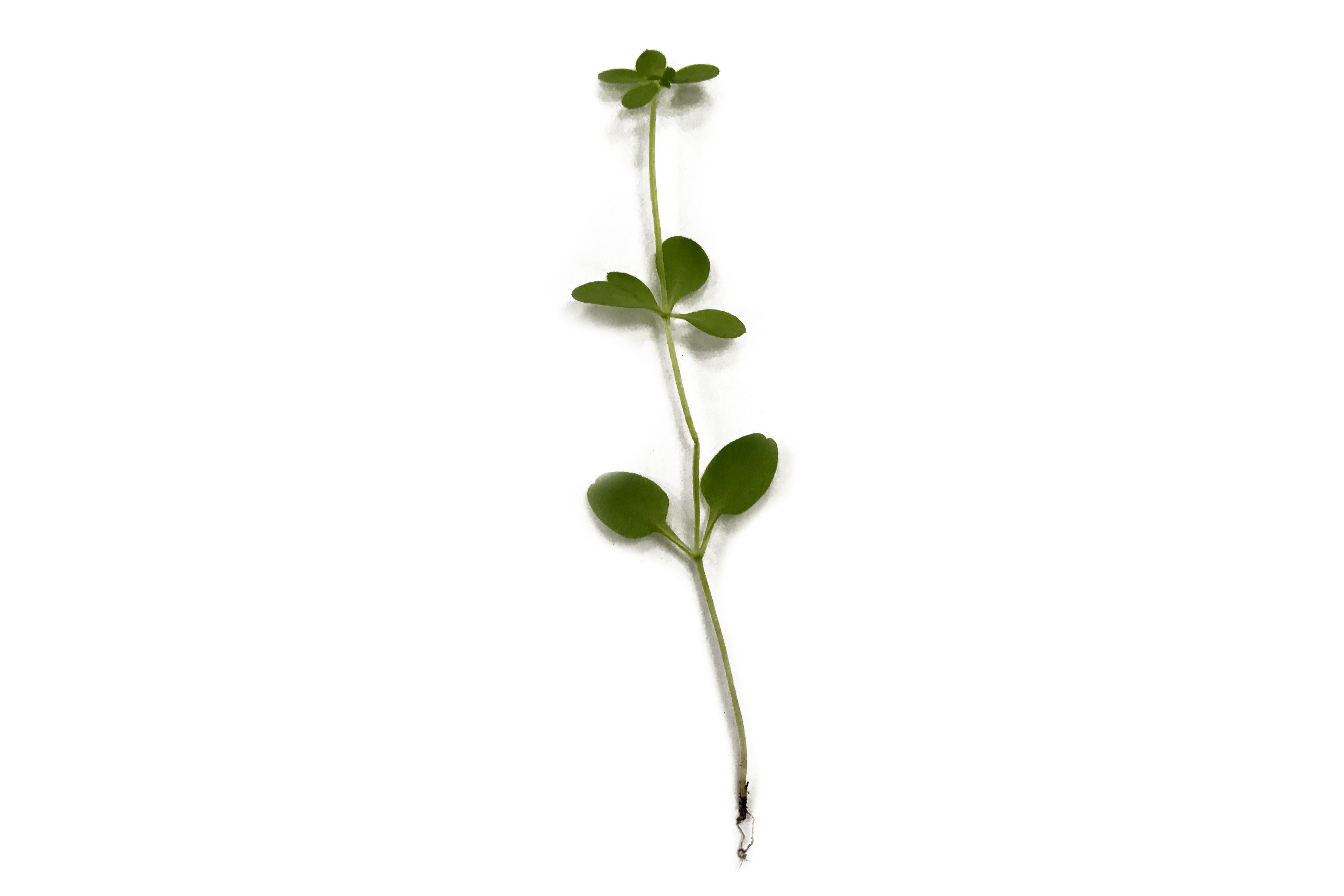 Seedling
Hedge Bedstraw
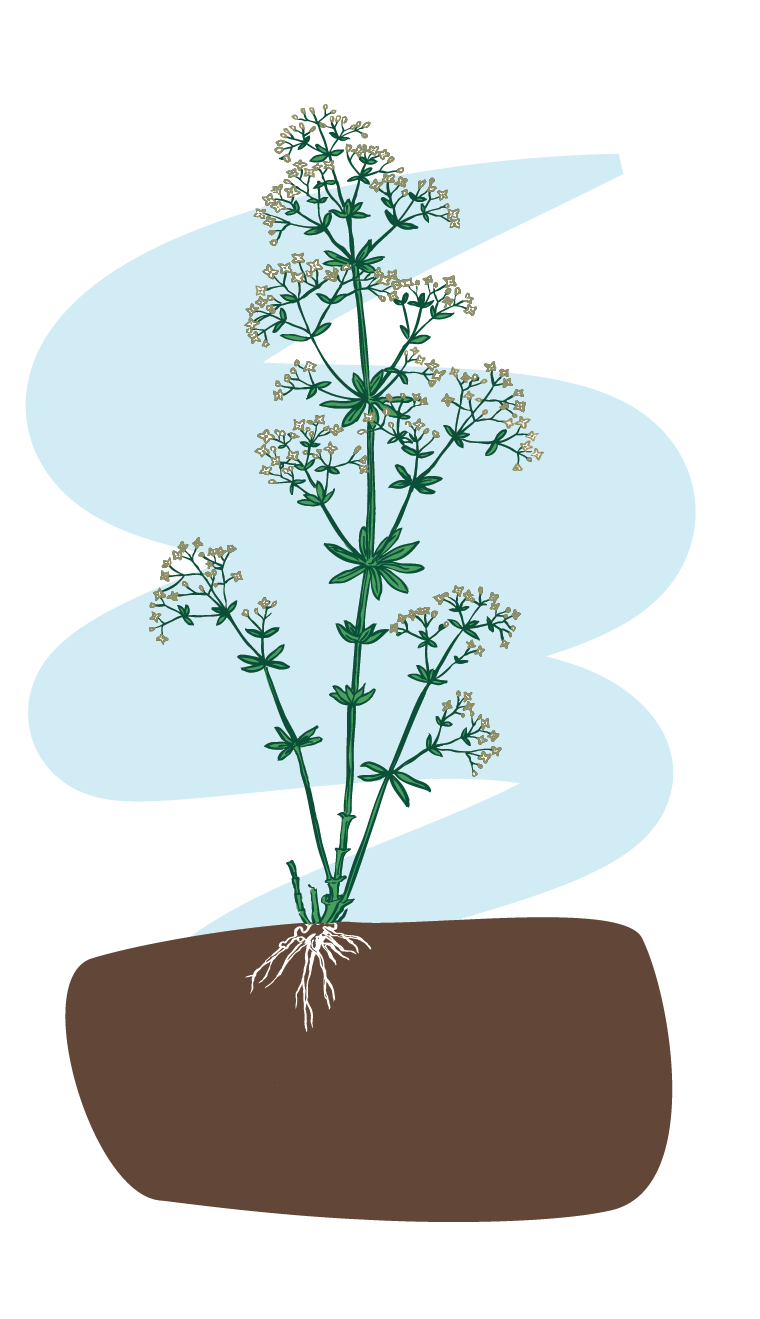
Hedge bedstraw is a medium to tall scrambling grassland perennial with dense clusters of small cream/white flowers, growing up to 3 or 4 feet in height. It is particularly common throughout the southern half of Great Britain.
Uses
Bees, butterflies and ladybirds are attracted to the sweet scent of Hedge bedstraw.
Persistence
It is a perennial, and can be considered invasive in some areas. Produces seed readily year-round, and can also spread by stolons.
Strengths
It can be misidentified with Lady's bedstraw, however Hedge bedstraw is more robust and competitive, faring better in a range of soil types.
Frost Tolerance
Hedge Bedstraw is able to tolerate freezing temperatures.
Ideal Sowing Time
The seeds should be sown in spring or autumn however spring sowings may result in slower germination.
Distinguishing characteristics
SeedSeed
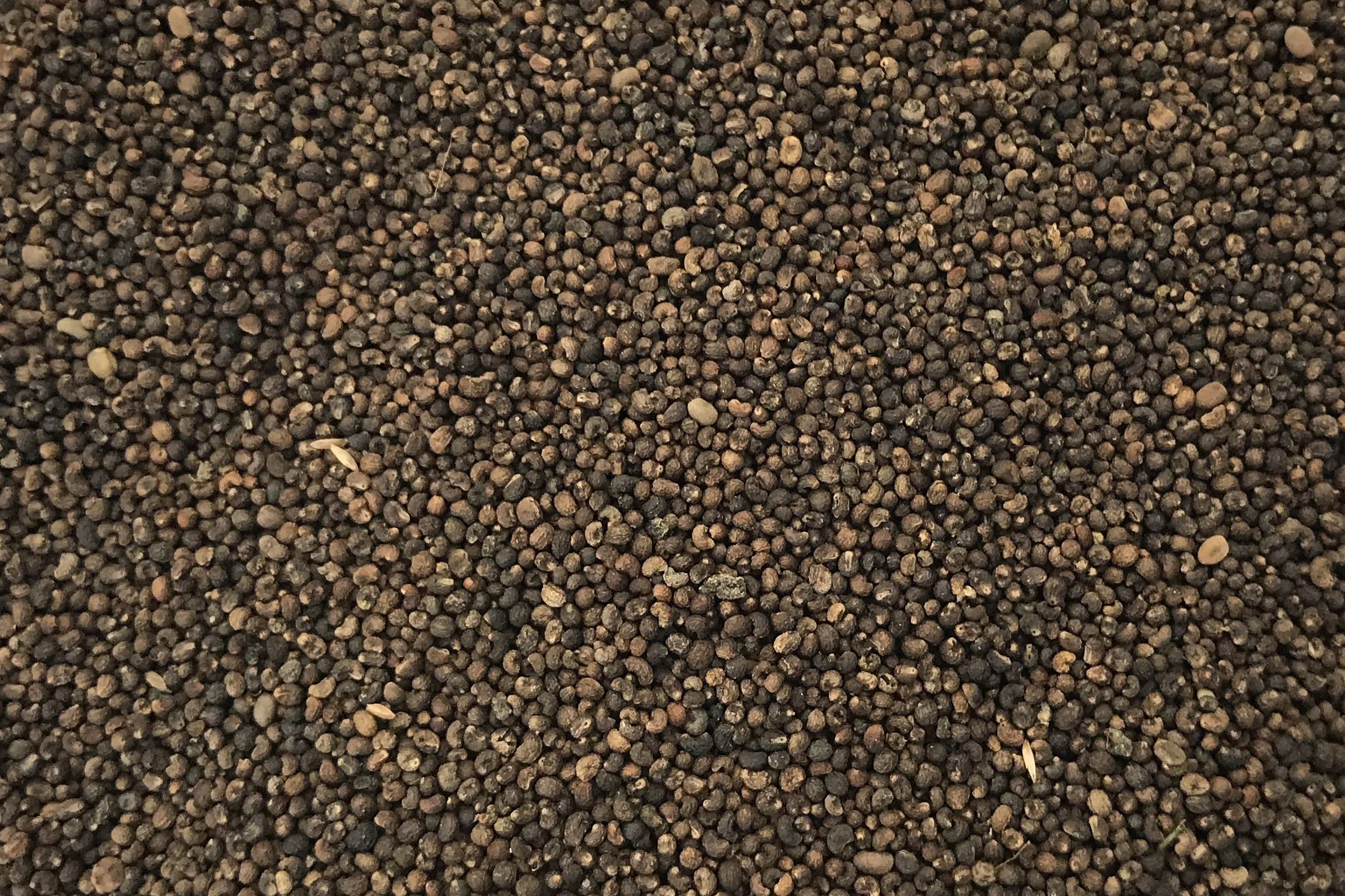
1mm size (approx 2000 seeds/gram)
kidney shaped, slightly flattened, purplish grey to dark brown in colour
has a rough surface texture, network of tiny ridges
SeedlingFlowering Plant
Smooth, square stem, with whorls of broad lanceolate leaves. Inflorescence is a loose panicle of many white flowers, each 3-4mm across. Root is reddish in colour, producing many rhizomes.
Flowers from May - September.
Additional Info
Flowers: June to September. It smells of hay when dry.
Works well with
Hedge Bedstraw works well with Field Scabious, Meadow Cranesbill, Tufted Vetch, Meadow Vetchling and Knapweed.History
Hedge bedstraw is rich in fiber, traditionally being used to make ropes, mats and baskets. It has also been used for its medicinal properties, believed to have sedative properties. Was also stuffed in mattresses, with the added benefit of being an insecticide. The roots are used by the Indians to stain their feathers red.
Related Articles

Cotswold Grass Seeds, Cotswold Business Village, London Rd, Moreton-in-Marsh GL56 0JQ
Web design and development by Pixel Concepts


