

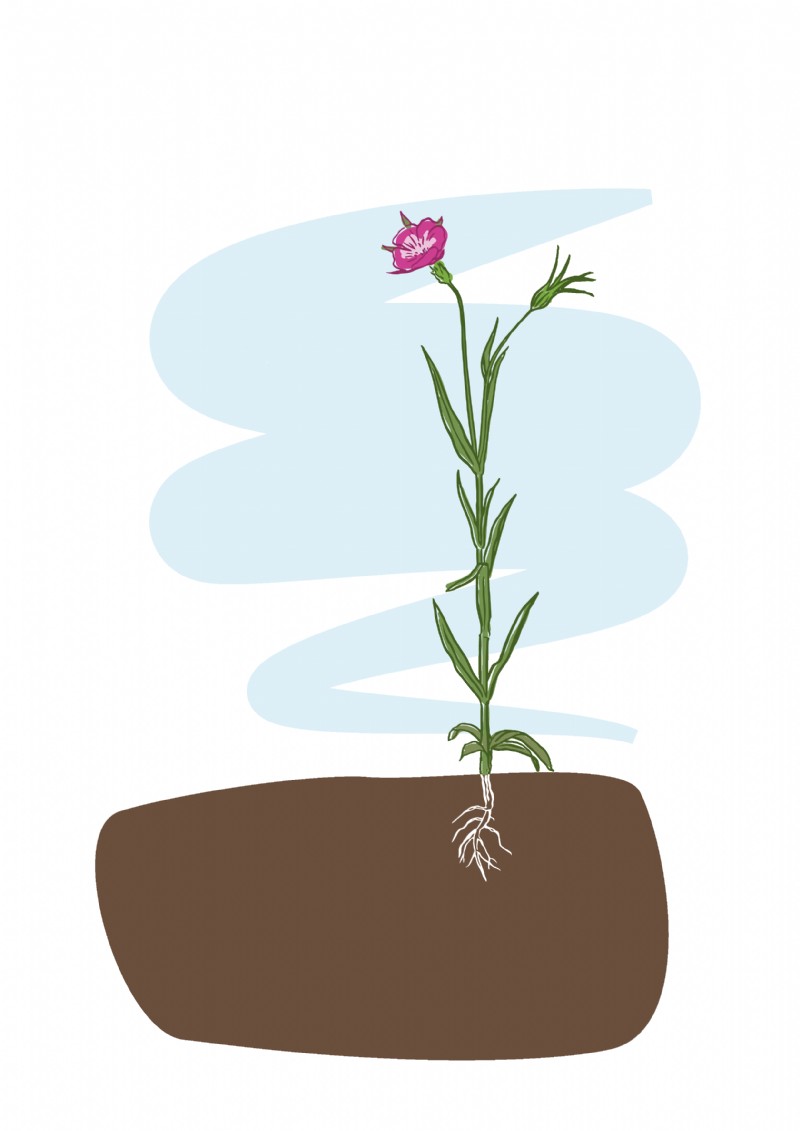
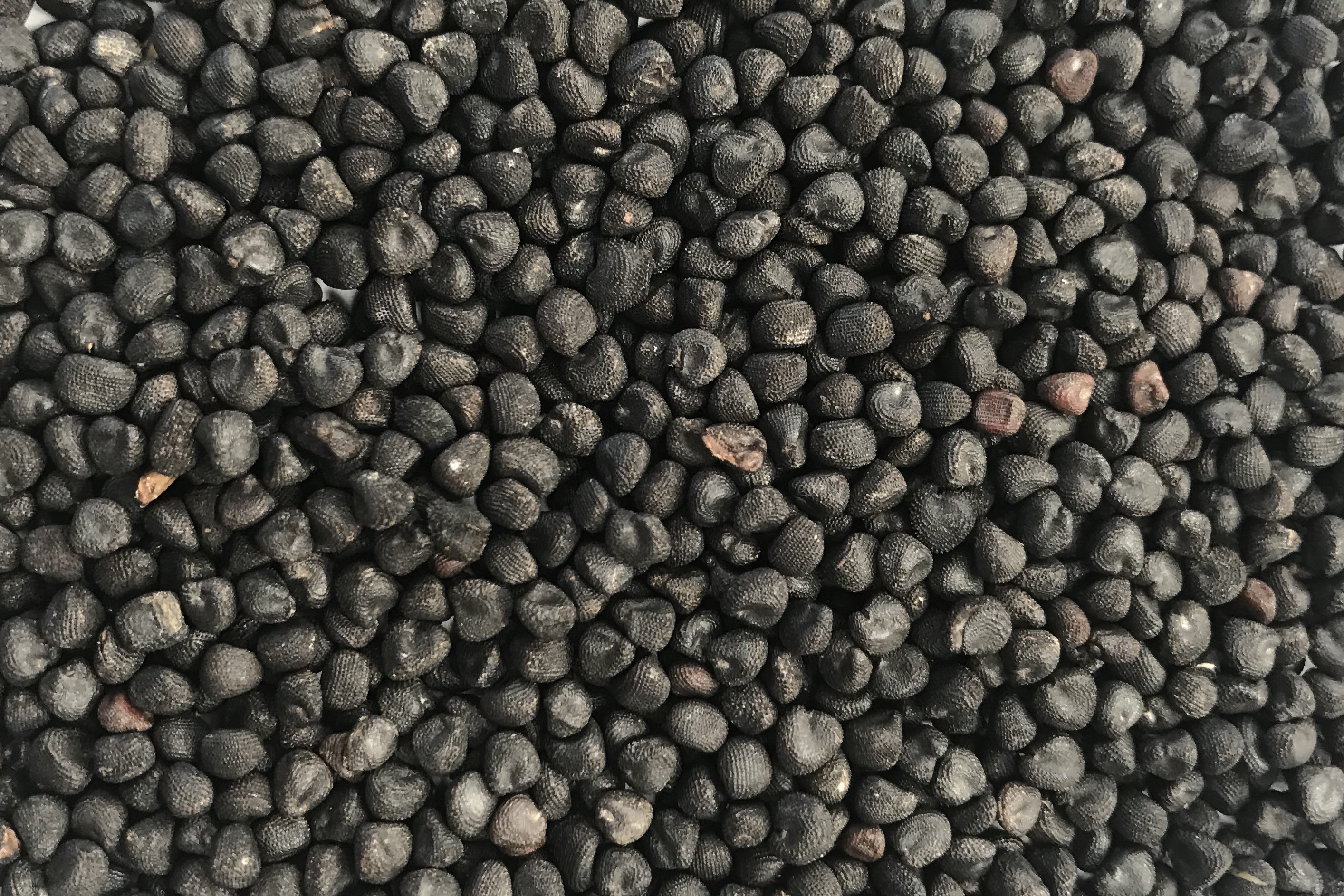
 Seed
Seed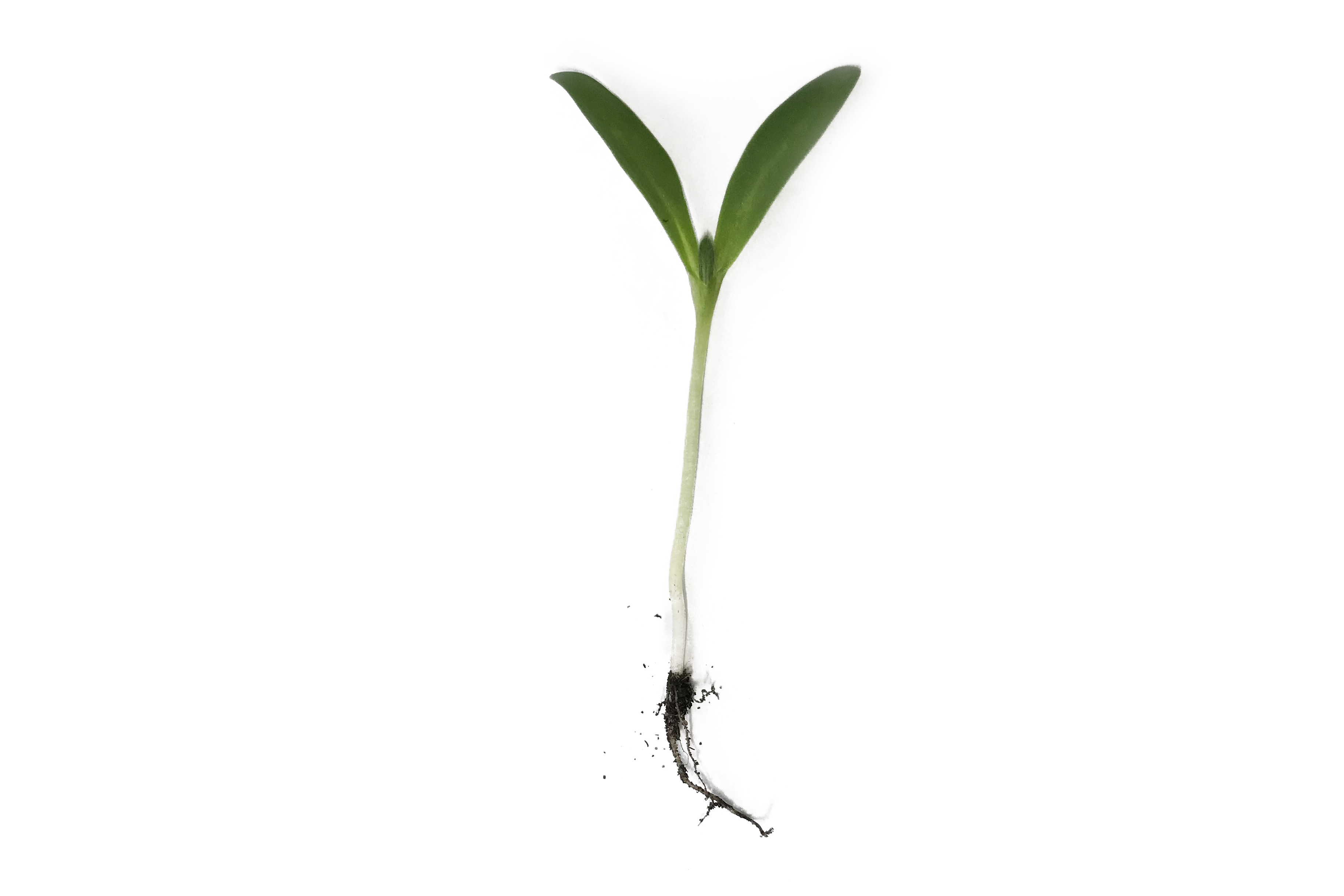 Seedling
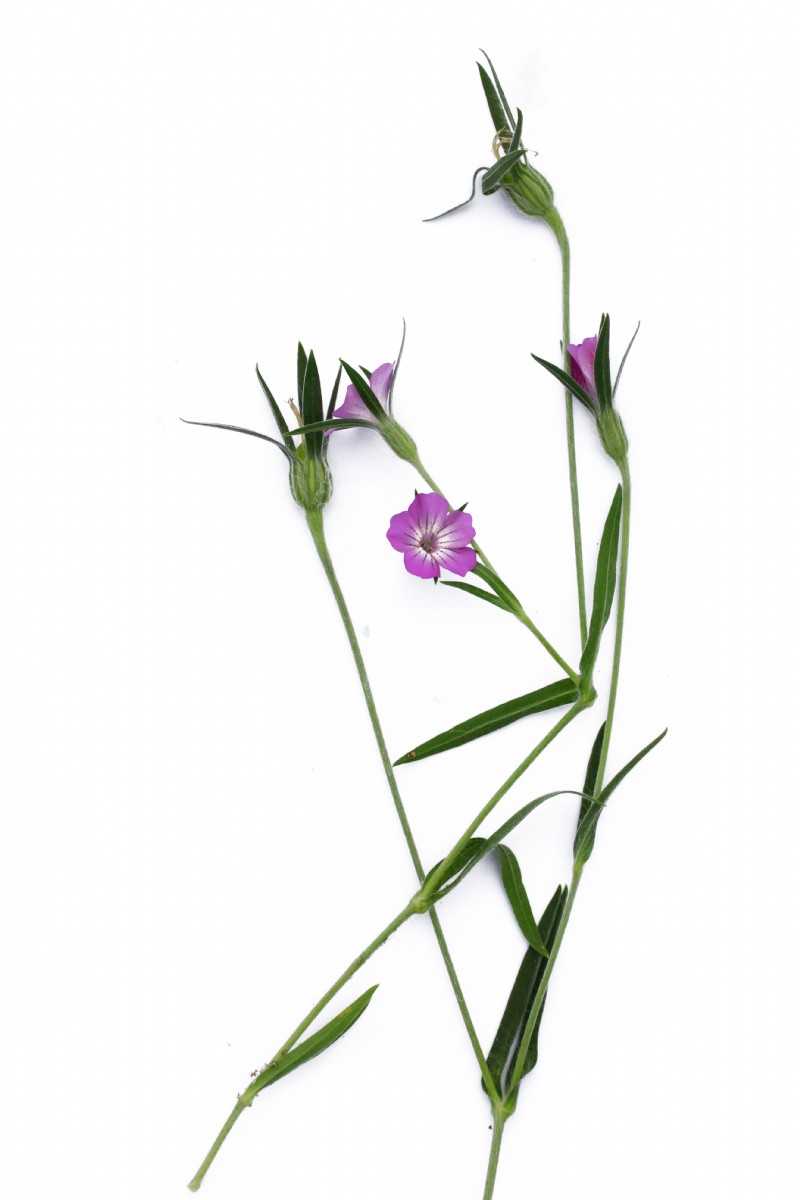 Flowering Plant
Corn Cockle
Corn Cockle is a tall annual with singular pink/purple flowers, dating back as far as the Iron Age in Britain; however it is now virtually extinct in the wild.
Uses
This annual is very good at attracting pollinators and provides heaps of flowers whilst being easy to grow.
Strengths
Corn Cockles are very easy to grow from seed.
Frost Tolerance
They are hardy and can withstand frost.
Ideal Sowing Time
Corn Cockle seed is short-lived once planted in the soil, so it's best to sow in spring.
Management
This is a very low maintenance species that requires little management.
Distinguishing characteristics
SeedSeed
A medium brown to dark brown seed covered in rows of raised tubercles (wart-like projections) that increase in height away from the hilum, oval in shape usually with a flat side.
Approximately 90 seeds per gram.
Seedling
Flowering PlantFlowering Plant
A tall annual standing between 1 and 3 feet tall, with long silky hairs closely pressed against the stem and leaves. An attractive vivid purple flower-head.
Additional Info
Flowers: June to September Some alternatively used names for Corn Cockle are Corn Pink, Gith and Joy of love. The plant was once common in cornfields, but has been almost eradicated because the black seeds, being poisonous, make flour containing them unfit for use.
Works well with
Common poppy, scentless mayweed and shepherd's purse.
You can find Corn Cockle in the following mixtures
History
Evidence suggests that Corn Cockle was first brought to Britain from Europe by Iron Age farmers, some 2,400 years ago.
Related Articles

Cotswold Grass Seeds, Cotswold Business Village, London Rd, Moreton-in-Marsh GL56 0JQ
Web design and development by Pixel Concepts


