


 Seed
Seed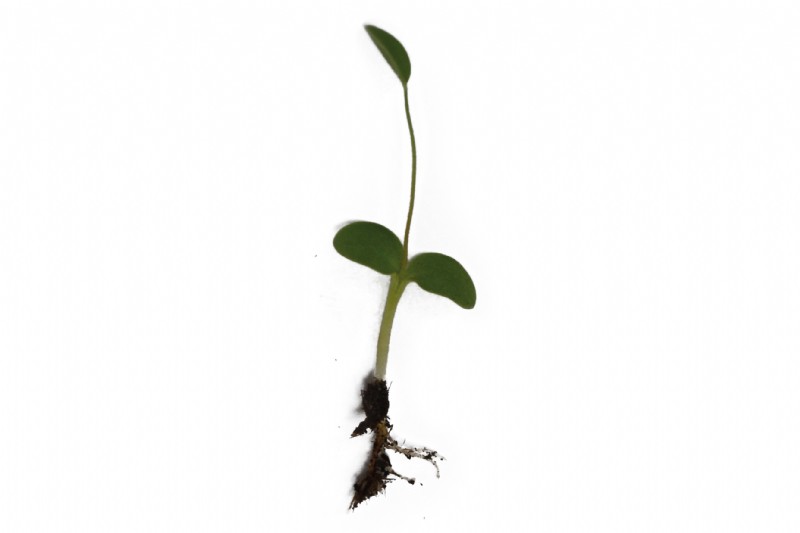 Seedling
 Vegetative Growth
 Flowering Plant
Sainfoin (native wildflower)
Sainfoin is a flowering legume which thrives on calcarious soil. Commonly found in chalk meadows and is very drought tolerant.
Uses
It is used both in wildflower mixtures and also in forage and grazing meadows due to its high nutritive value. The sainfoin we use in wildflower mixtures is a local provenance native strain.
Persistence
Sainfoin is a perennial plant. On the right soil it can survive for many years.
Strengths
Sainfoin has a long flowering period. It is a fantastic pollen and nectar source for honeybees and other insects. It is non-aggressive making it a great companion for other plants. In agricultural settings it is known to have medicinal properties for livestock.
Frost Tolerance
Sainfoin is a hardy plant and can withstand frost, but can struggle in waterlogged environments.
Ideal Sowing Time
Being a perennial, sainfoin can be planted anytime during the growing season but due to a slow establishment it needs to be planted into warm soils (7+ degrees)
Distinguishing characteristics
SeedSeed
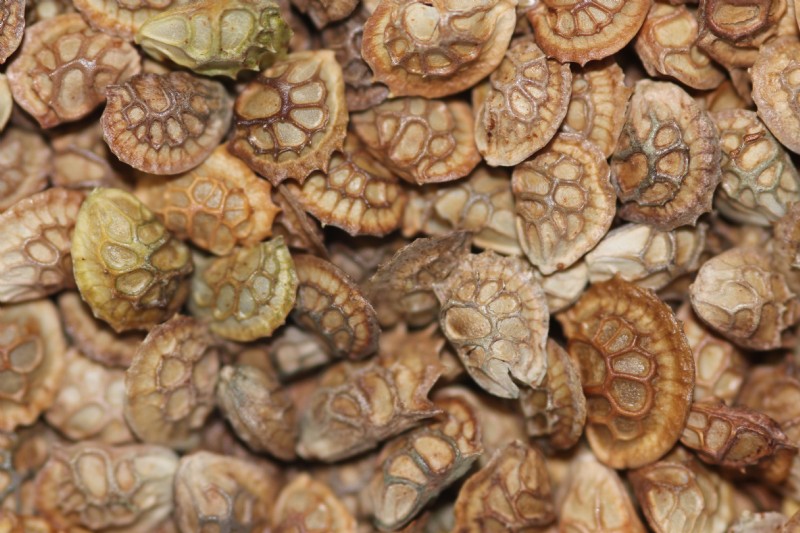
Sainfoin is a distinctive seed, it stands out because of the seeds large, papery husk. The husk is light brown, with a serrated keel and uneven surface. It is 5-6mm in length. The Sainfoin seed itself is a smooth, kidney shape. It varies from a pale brown to dull black colour. It is 4mm in length.. It has a rough surface and is uneven in shape.
SeedlingSeedling
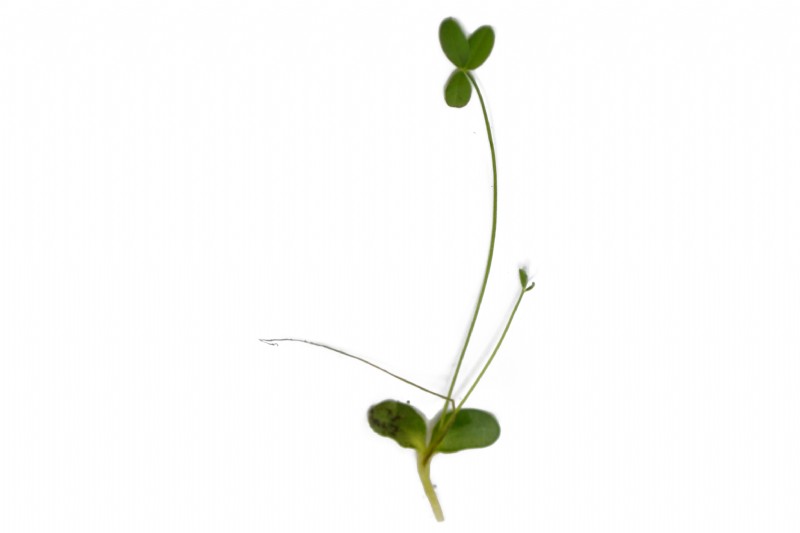
The sainfoin seedling produces a pair of cotyledons with no petioles. They are larger than some clover cotyledons and elliptical to round in shape. The first true leaf is produced on a long stalk and is oval in shape.
Vegetative State
Flowering PlantFlowering Plant
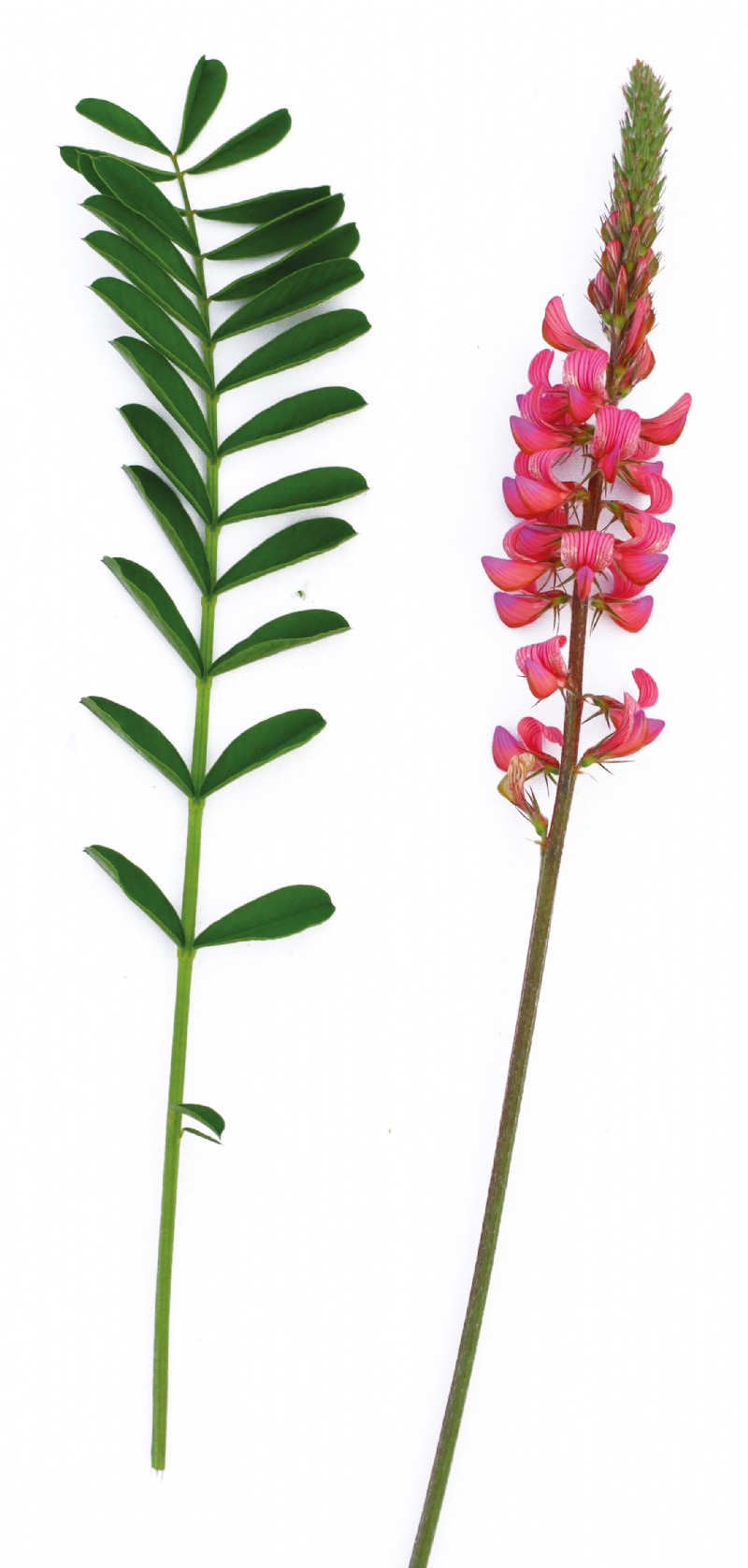
This is an upright plant, which is a pale to dark green colour, with sparse hairs on the stem. It grows from basal base or crown. The leaves are recognisable as pinnate, with 5 to 15 pairs of opposite, elliptical shaped leaflets, and a terminal leaflet. The stipules found at the base of the leaf are pointed and turn reddish brown and papery as they age. The distinctive conical shaped flowers are a pinkish, crimson colour, on a graceful curving stalk. A well developed root system, penetrating deeply into the soil.
You can find Sainfoin (native wildflower) in the following mixtures
- Floristically Enhanced Field Margin (CIPM2/IPM2/AB8)
- Chalk & Limestone Soil Mixture
- Nectar Stewardship Mix (CIPM2/IPM2/AB8)
- Cotswold Wild Flora
- Meadow Over-Seeding Just Wild Flowers
Related Articles

Cotswold Grass Seeds, Cotswold Business Village, London Rd, Moreton-in-Marsh GL56 0JQ
Web design and development by Pixel Concepts


