

 Seed
Seed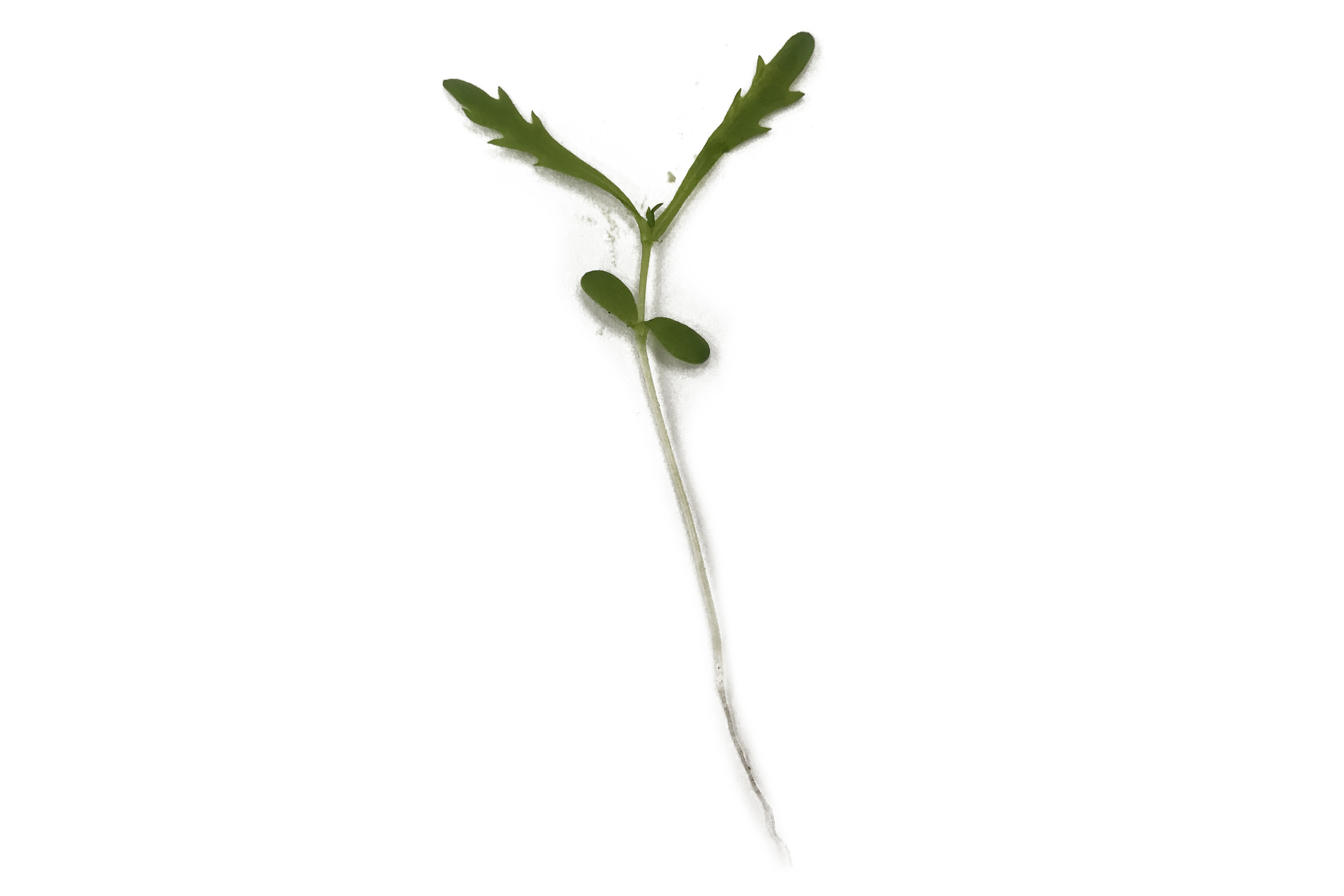 Seedling
 Flowering Plant
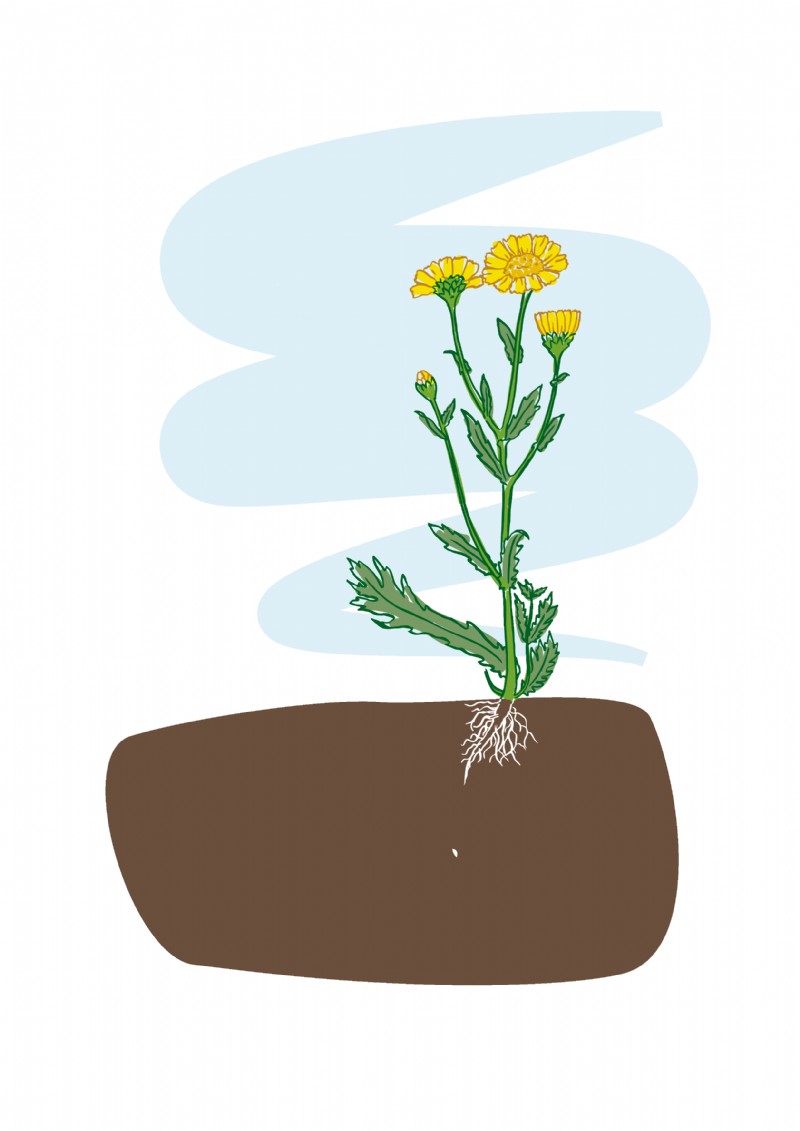
Corn Marigold
Easily recognised flower-heads, carried on long stalks. The lower leaves are stalked and have toothed edges or are cut into leaflets. The upper ones clasp the stem and are sometimes little toothed. The plant which grows 6 to 8 inches tall is an annual.
Uses
Corn Marigold is a hardy annual meaning it will flower in its first season. It is the food plant of the Chamomile Shark Moth and a good pollinator for moths, butterflies and bees.
Persistence
This is not the most persistent species as it is an annual, they will set seed however.
Strengths
Corn Marigold is a magnet for pollinating insects and adds a flash of vibrant colour to a field.
Frost Tolerance
Marigold is unable to tolerate cold weather or frosts.
Sowing Rate Advice
1g/m2
Ideal Sowing Time
Corn Marigold can be sown in the autumn or spring but tends to prefer a spring sowing.
Management
No pruning required, generally pest and disease free.
Distinguishing characteristics
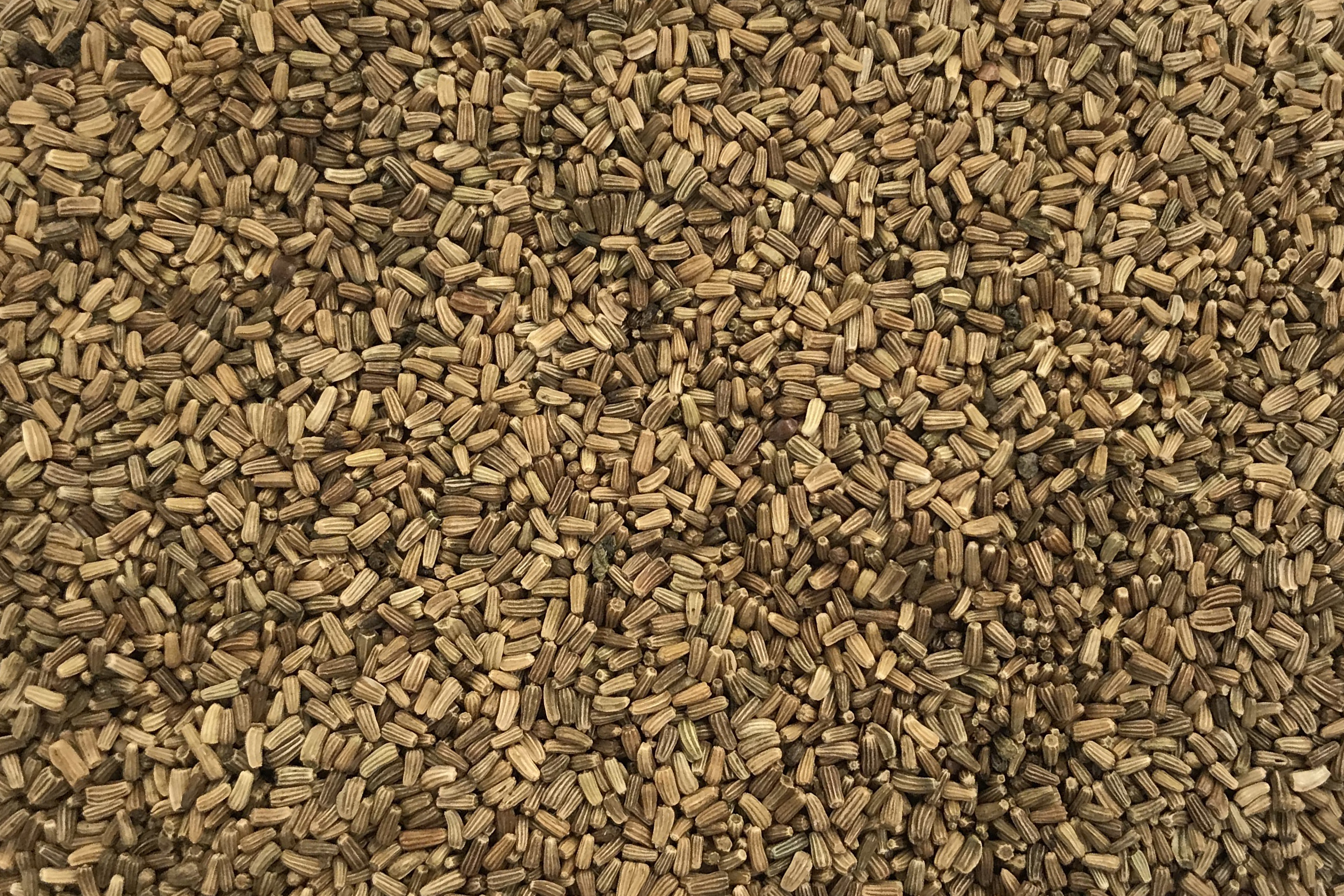
SeedSeed
Corn Marigold seeds are extremely tiny and thin in shape with spiky ends.
SeedlingSeedling
Seedling has a long hypocotyl, waxy appearance and pale blue/green colour. The first true leaves are very narrow and have several upright lateral lobes.
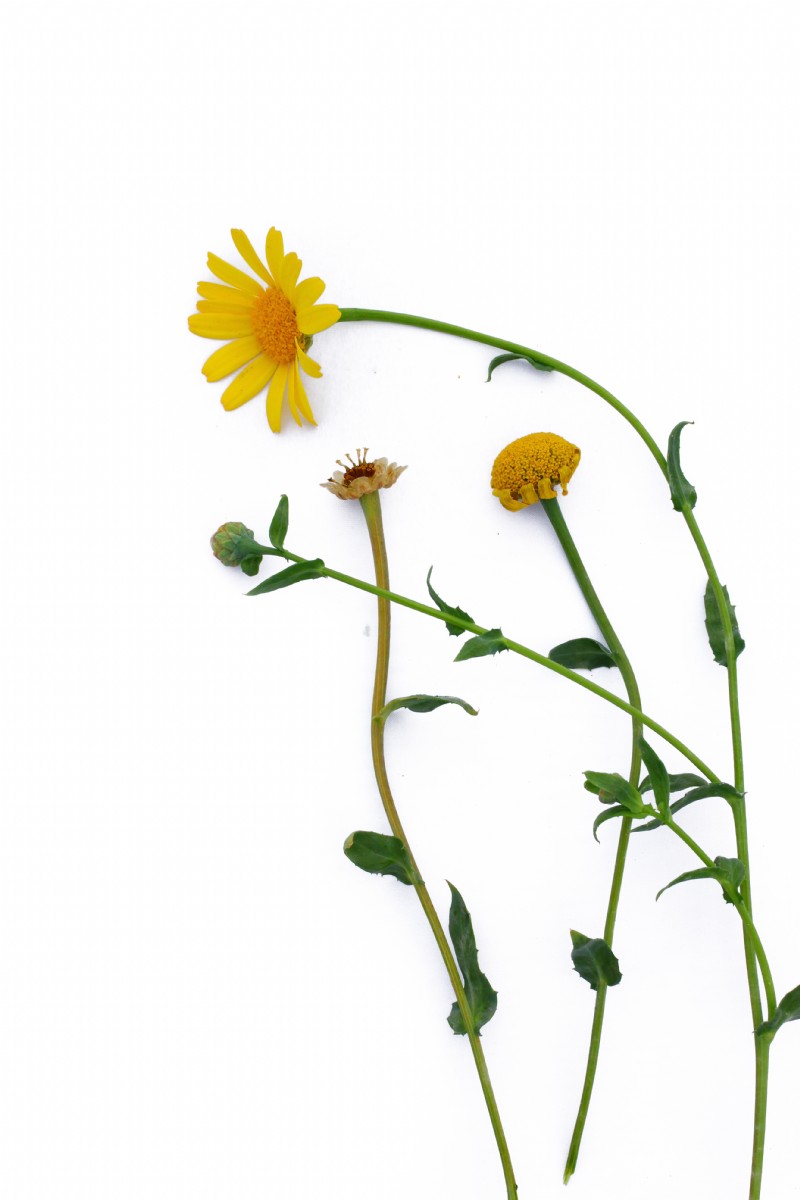
Flowering PlantFlowering Plant
Has approximately 7 ligulate shaped flowerheads per plant, with bright golden petals. Mature leaves are hairless, deeply lobed and greyish green in colour. Plant reaches up to 50cm tall.
Additional Info
Flowers: July to September Some other common names for Corn Marigold include Sunflower, Golden Cornflower, Yellow Bottle, Yellow Horse Daisy, Yellow Moon and Yellow Ox-eye.
Works well with
Corn Marigold goes well in a wildflower mixture with Field Poppy, Corn Cockle and Corn Flower.You can find Corn Marigold in the following mixtures
History
In the East, particularly in China, the young shoots are eaten as a vegetable. It was a familiar sight in 16th Century English gardens.
Related Articles

Cotswold Grass Seeds, Cotswold Business Village, London Rd, Moreton-in-Marsh GL56 0JQ
Web design and development by Pixel Concepts


