


 Seed
Seed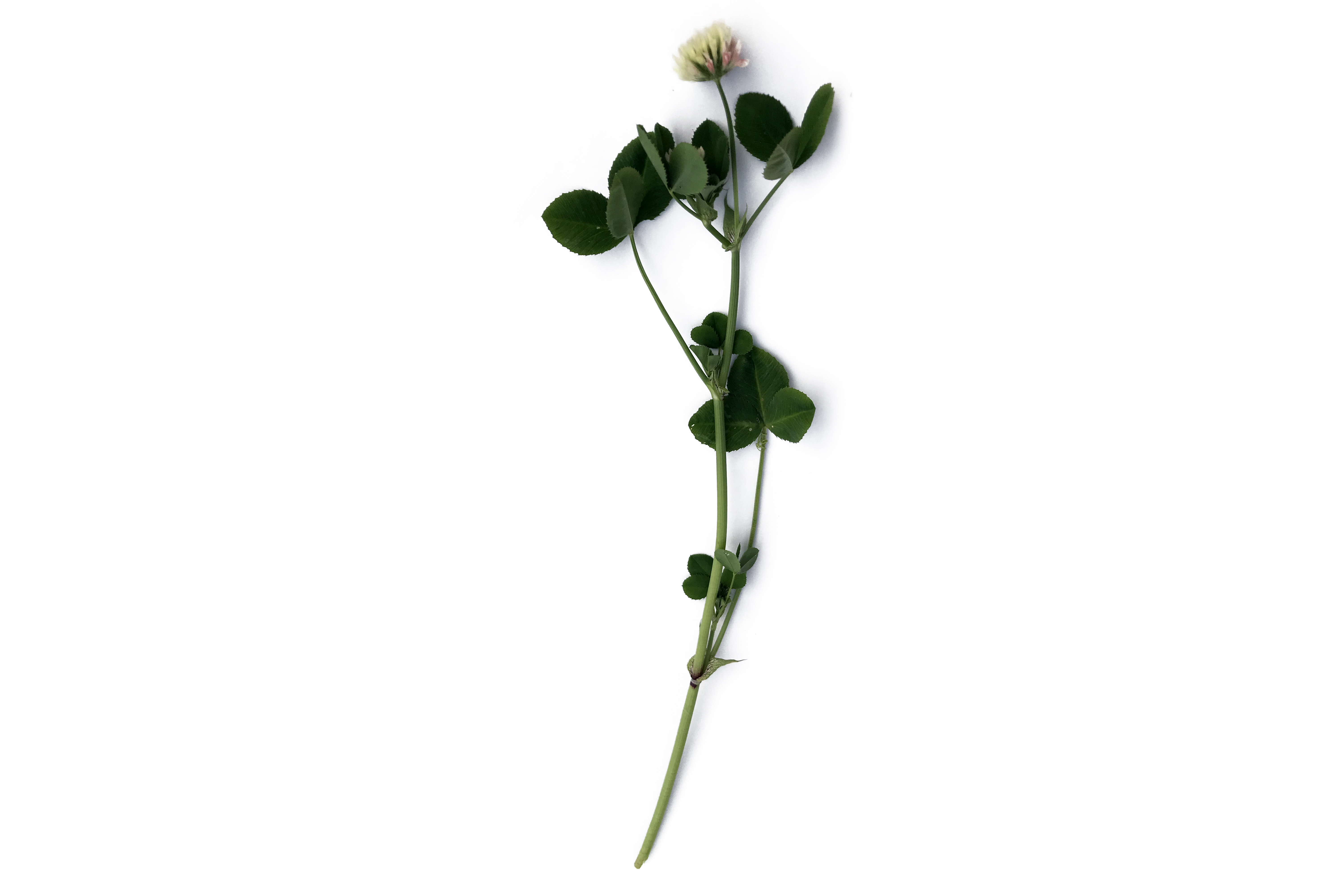 Flowering Plant
Balansa Clover
This legume is a recent addition to the UK, It is a high biomass plant, with a better cold tolerance than other annual clovers, which means it can be used as an over winter forage or green cover.
Uses
It may be used as a short term forage plant or as a soil improving green manure.
Persistence
An annual species.
Strengths
Quick to establish with cold tolerance.
Frost Tolerance
Good frost tolerance.
Yield
5 - 6 t DM/ha.
Sowing Rate Advice
4kg per acre / 10kg per ha.
Mixture Sowing Rate Advice
0.5 - 1.5kg per acre / 1.25 / 3.75kg per ha.
Ideal Sowing Time
Due to the winter hardiness it will suit a spring or autumn sowing, surviving the winter unlike many annual clovers.
Management
It may potentially cause bloat in livestock, especially in cattle.
Distinguishing characteristics
SeedSeed
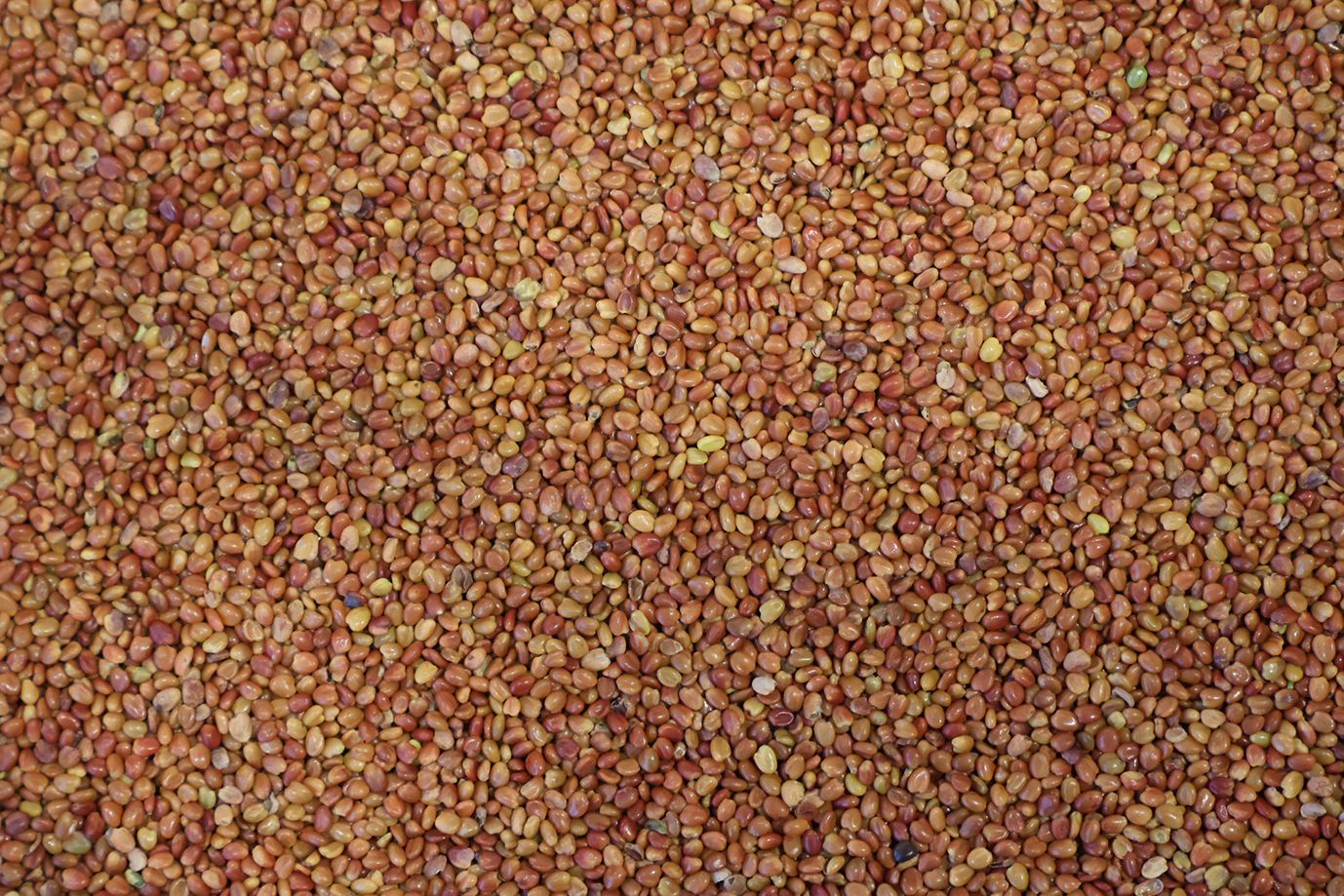
The seed shape is ovoid to oblong, it can vary in colour from green or yellow, to brown or black. It is smooth reaching 1-2mm in length.
Vegetative State
A medium to tall, fleshy plant reaching approximately 50-60cm in height. It has an upright growth habit similar to Crimson Clover.
Flowering PlantFlowering Plant
A glossy green species, sometimes with red colouration.
It has trifoliate leaves, with oval shaped leaflets. Each leaflets has obvious serrated margins.
The stipules forming between leaf and step are green to red in colour.
This species has mainly white flowers, with some red colouring.
The roots are numerous, with a thin, lateral and shallow rooting shape, similar to other annual clover species.
Additional Info
Average seeds per kg - 980,000. Requires inoculation.
Works well with
It can be combines with other annual or short term species like westerwold ryegrass or Italian ryegrass.
You can find Balansa Clover in the following mixtures
Related Articles

Cotswold Grass Seeds, Cotswold Business Village, London Rd, Moreton-in-Marsh GL56 0JQ
Web design and development by Pixel Concepts


