

 Seed
Seed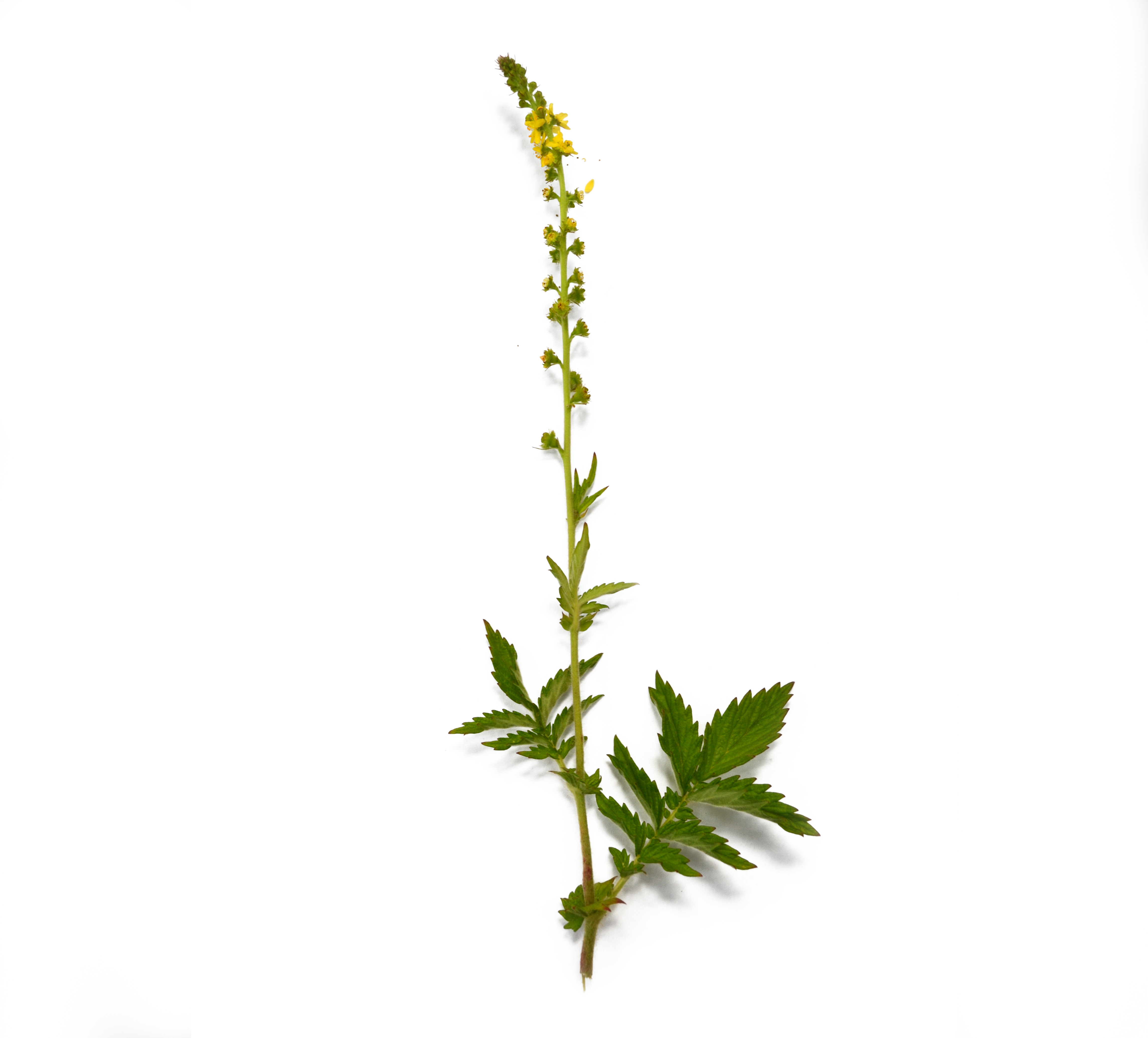 Flowering Plant
Agrimony
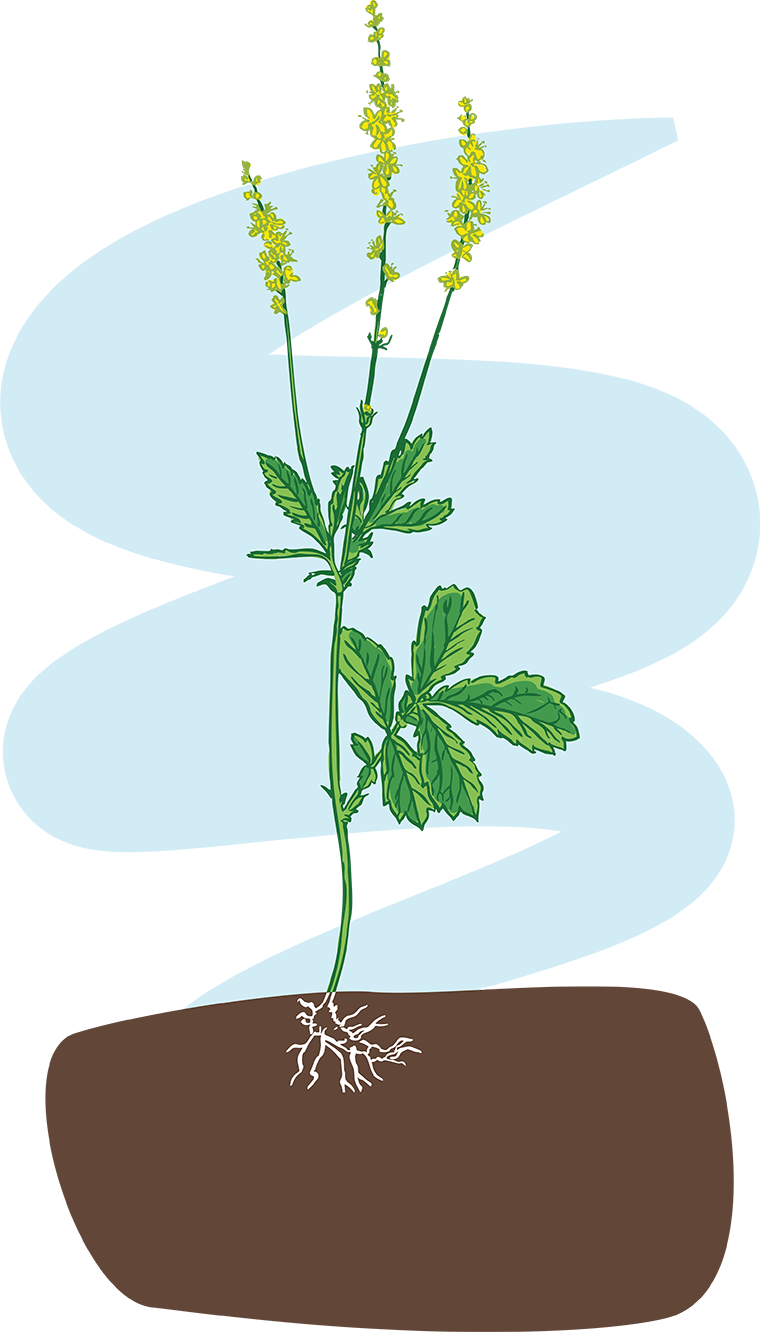
Spiky and yellow, this perennial plant grows in single stems up to 60cm in size. Agrimony seeds have hooked burs so therefore stick to passing animals/clothes and dispurse that way.
Uses
Agrimony can be a colourful componenet in a wild flower meadow.
Persistence
Agrimony is a hardy, dominant perennial that will grow back each year.
Strengths
It is easy to grow, taking very little to maintain once established and is an incredibly relaible species.
Frost Tolerance
Agrimony has a high frost tolerance and resistance to the cold, making it very hardy.
Sowing Rate Advice
1 gram per m2
Ideal Sowing Time
It is best sown in spring after the last frost or autumn and it can benefit from a period of cold weather to germinate although this is not necessarily essential.
Management
A common wildflower but vulnerable to early grass cutting as seed sets late in the season.
Distinguishing characteristics
SeedSeed
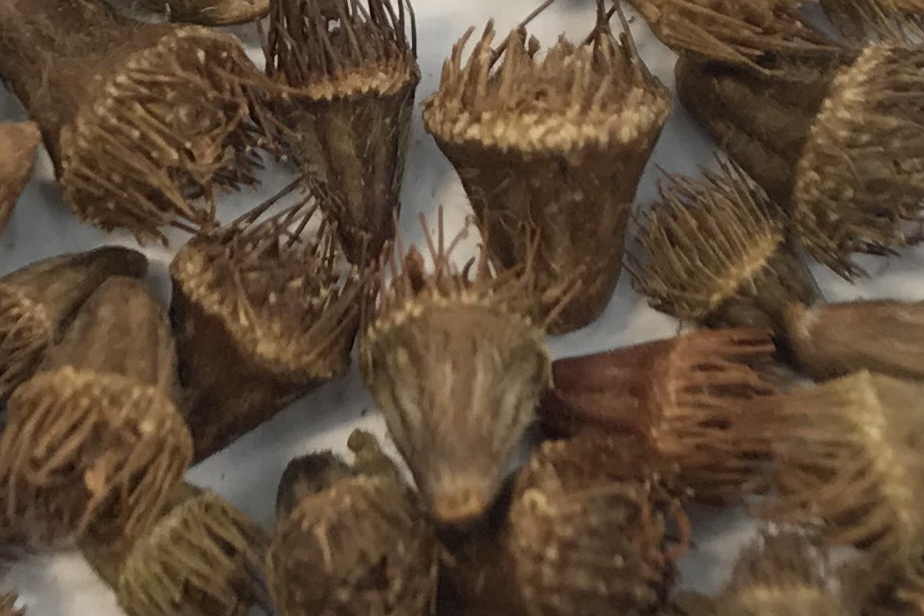
Agrimony seeds are extremely spiny and brown/green in colour. Due to the hooked burs they stick to things that brush by for seed dispersal.
Seedling
The seedlings have multiple leaves with jagged edges and sometimes a red like tip.
Flowering PlantFlowering Plant
The small yellow petals reveal themselves in stages from the bottom up. The leaves and stems are softly hairy and the stems often reddish in colour. The lower leaves are pinnate with 3 to 6 pairs of larger leaflets, these are interspersed with small leaflets. Agrimony will grow to a height of up to 80cm.
Additional Info
Flowers June to September
Works well with
Agrimony works well in mixtures alongside Betony, Musk Mallow and Yellow-Rattle.You can find Agrimony in the following mixtures
History
Agrimony was widely used as a medical herb for strains and sprains as well as back pain and was known as ‘nun of the fields’. Medieval monks grew ‘the great healer’ in infirmary gardens.
Related Articles

Cotswold Grass Seeds, Cotswold Business Village, London Rd, Moreton-in-Marsh GL56 0JQ
Web design and development by Pixel Concepts


