

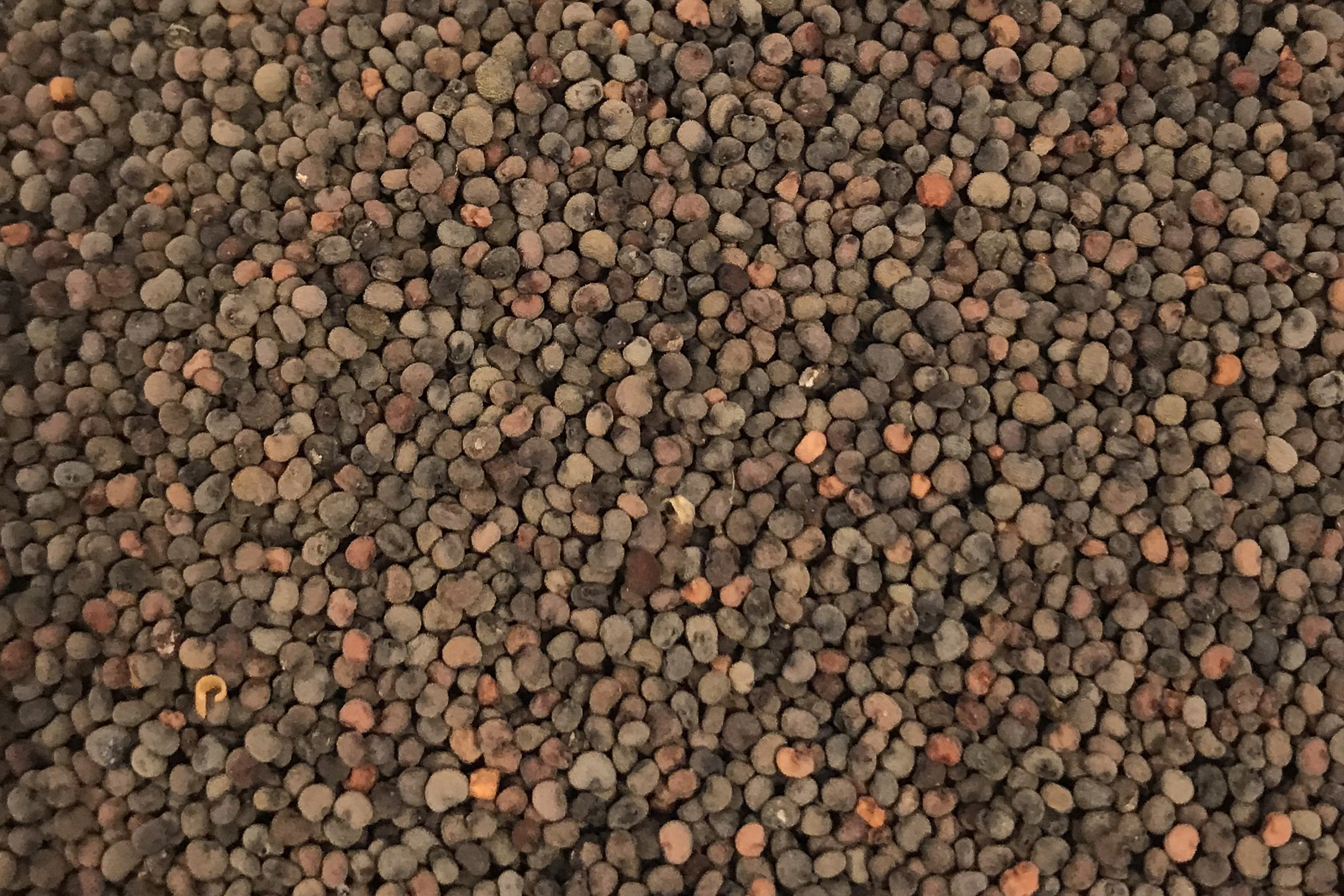
 Seed
Seed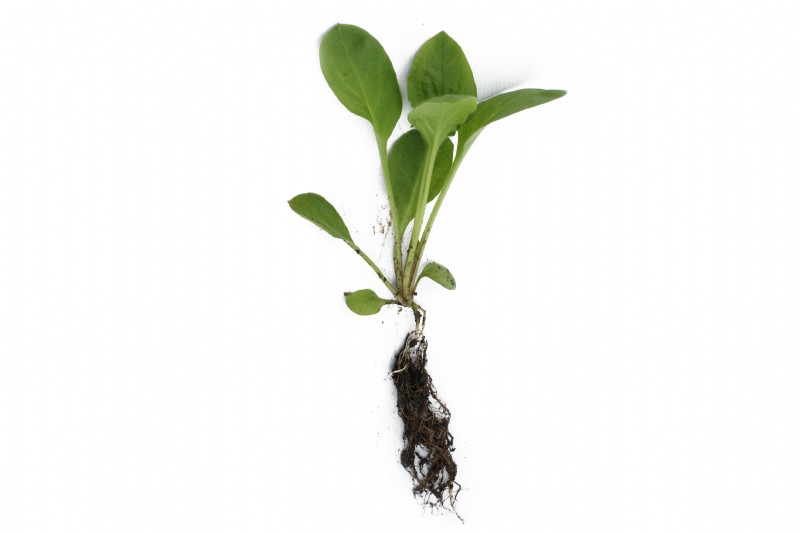 Seedling
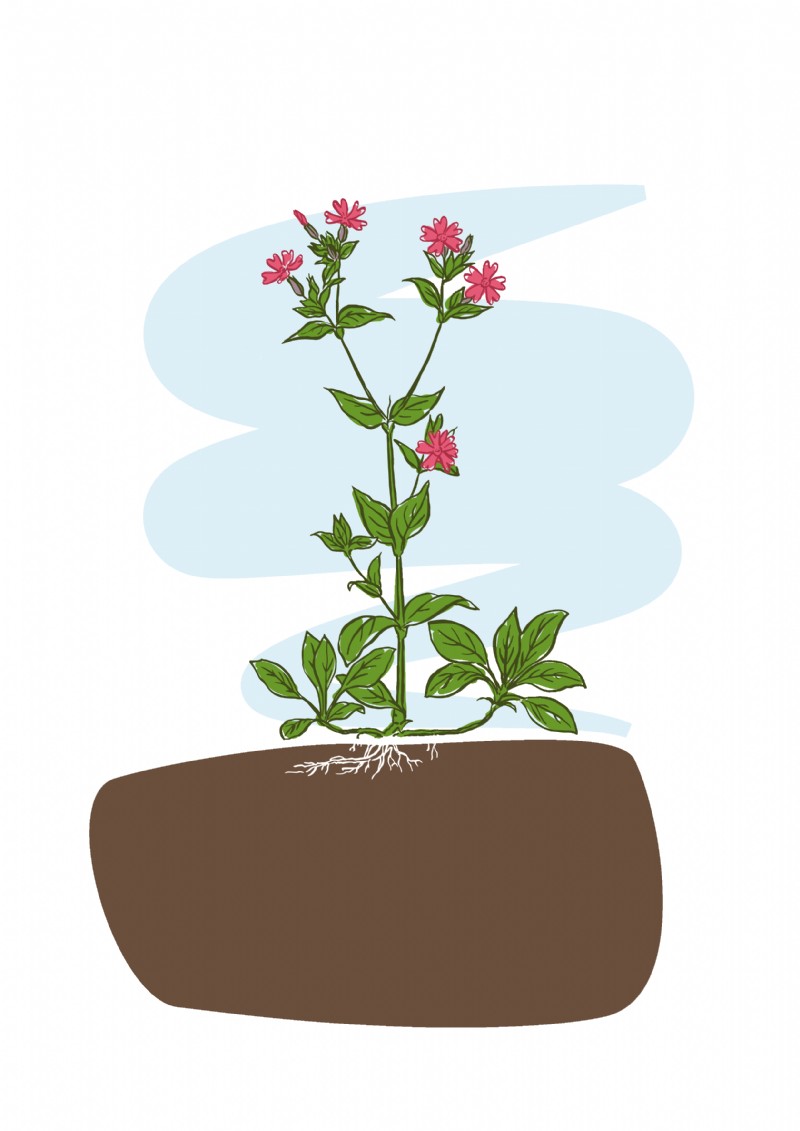
 Flowering Plant
Red Campion
This plant produces short creeping stems and upright flowering ones from 1 to 3 feet high. Both the stem and leaves are covered with soft hairs. The unscented male and female flowers are on different plants. Pink flowered hybrids between red campion and white campion are fairly common.
Uses
Red campion can be a colourful componenet in a wild flower meadow.
Persistence
Red campion is a short lived perennial.
Strengths
The flowers of red campion are important pollinators, including bees, butterflies and hoverflies.
Frost Tolerance
Frost will kill Red Campion especially when young.
Sowing Rate Advice
1 gram per m2
Ideal Sowing Time
Red campion will grow easily from seed and can be sown in either Spring or early Autumn.
Management
Tilling or mowing can be used to greatly reduce populations of this plant on farms or in lawns.
Distinguishing characteristics
SeedSeed
Red campion seeds are grey/brown, with rugged bumps in parallel rows.
SeedlingSeedling
Seedling leaves initially develop from a basal rosette.
Flowering PlantFlowering Plant
The scented male and female flowers are on separate plants. The male flowers have 10 stamens and the female 5 styles. A hairy calyx surrounds the fruiting capsule, which opens by 10 neary straight teeth. Reaches 60-90cm tall.
Additional Info
Flowers: April to August It was the Romans who gave campions their common name, weaving it into garlands made to crown their champions at the public games in Rome. Unlike white campion, red campion is scentless.
Works well with
Oxeye daisies, Knapweeds, Musk Mallow, Meadow Cranesbill, Bluebell.You can find Red Campion in the following mixtures
- Floristically Enhanced Field Margin (CIPM2/IPM2/AB8)
- Nectar Stewardship Mix (CIPM2/IPM2/AB8)
- Cotswold Wild Flora
- Meadow Over-Seeding Just Wild Flowers
- Woodland Edge and Shady Area Mixture
History
Red campion is an ancient woodland indicator species.
Related Articles

Cotswold Grass Seeds, Cotswold Business Village, London Rd, Moreton-in-Marsh GL56 0JQ
Web design and development by Pixel Concepts


