

 Seed
Seed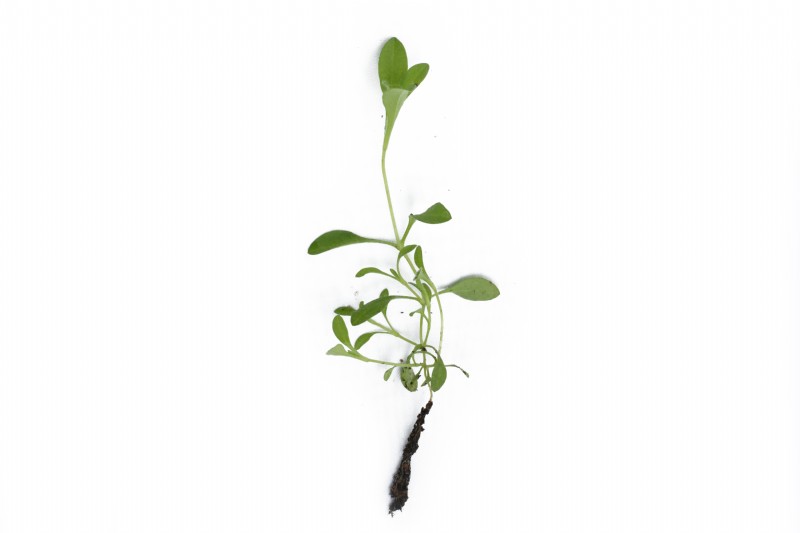 Seedling
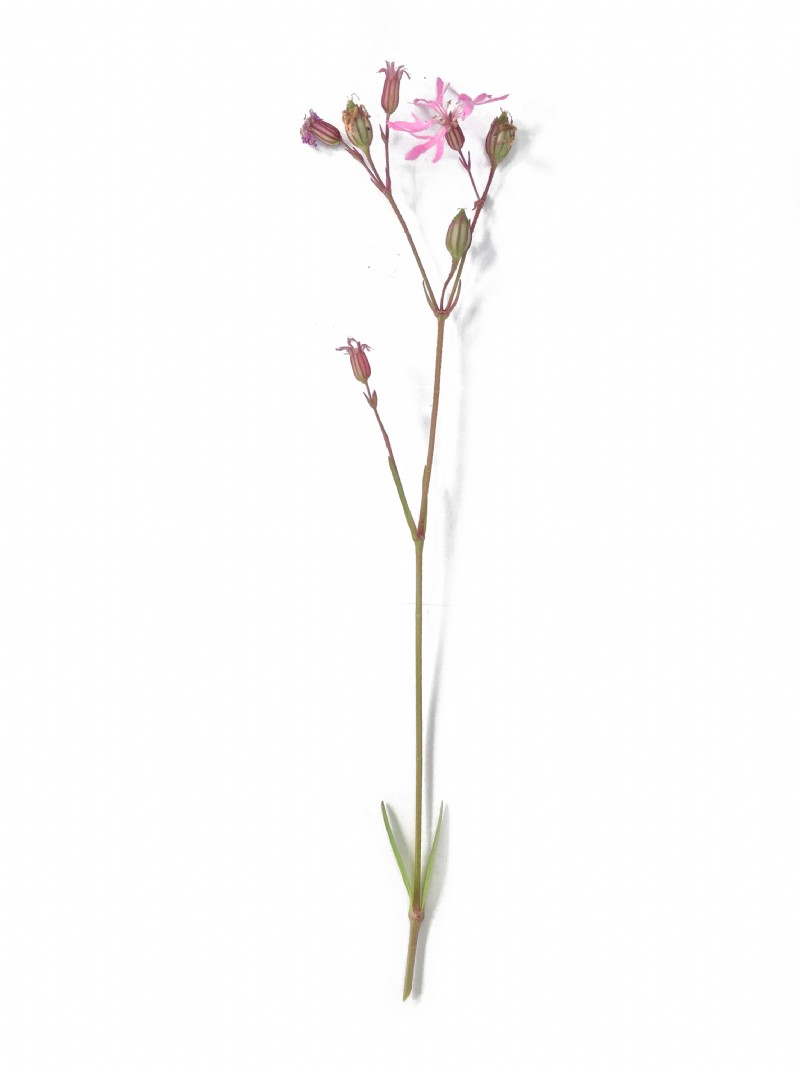 Flowering Plant
Ragged Robin
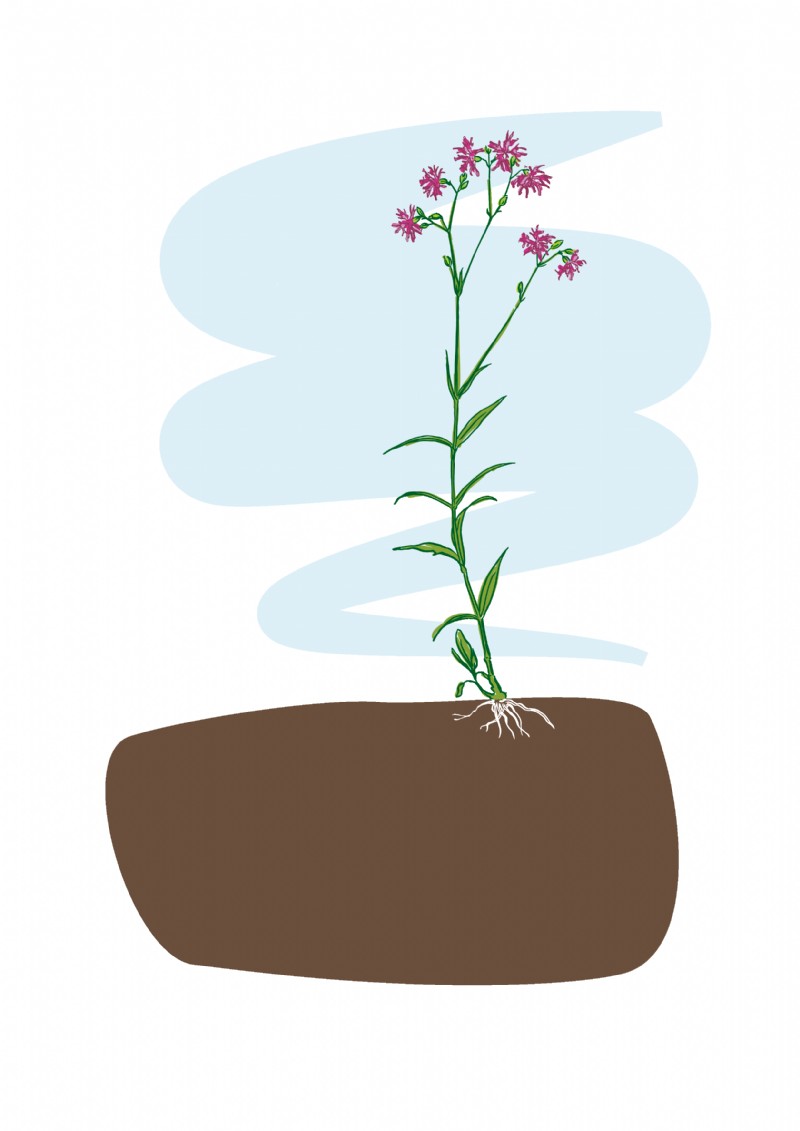
A slightly hairy, rough stalked perennial. It can grow between 1 to 2 feet tall and is easily recognised by it's star shaped pink flowers and narrow grass like leaves. Bumblebee's, butterflies and honey bee's will benefit from the nectar ragged robin produces.
Uses
Ragged robin can be a colourful addition to most wildflower meadows
Persistence
Ragged robin is a hardy perennial that will grow back each year.
Strengths
It is easy to grow, taking very little to maintain once established and is an incredibly relaible species.
Frost Tolerance
Ragged robin is a hardy perennial
Sowing Rate Advice
1 gram per m2
Ideal Sowing Time
Best sown in Spring or Autumn.
Management
Ragged robin is fairly low maintenance and tends to be an easy plant to care for it does require a good amount of sunshine, so is important to plant with other species that will not provide too much shade.
Distinguishing characteristics
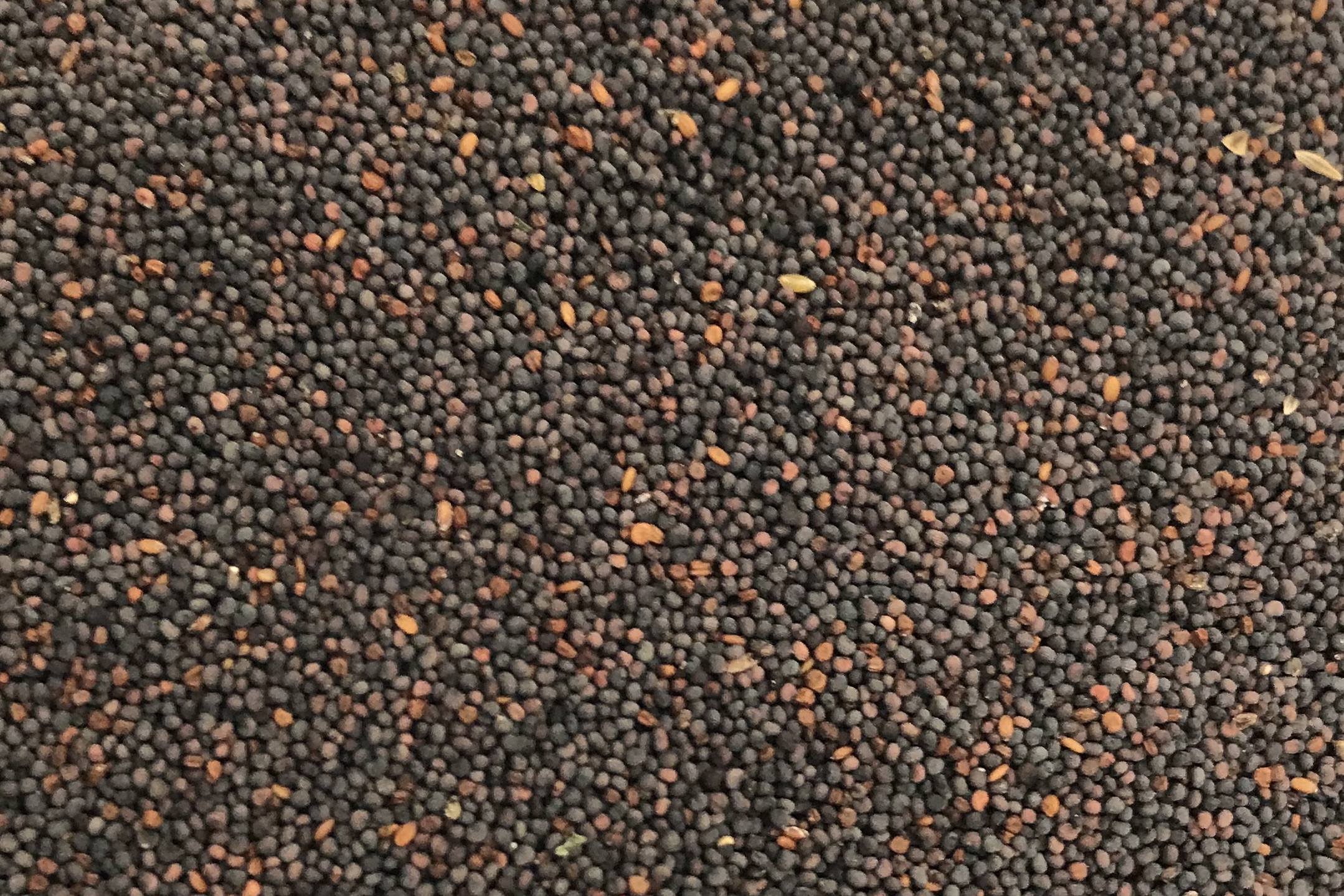
SeedSeed
Ragged robin seeds are dark brown in colour and oval in shape.
Seedling
Flowering PlantFlowering Plant
Robust reddish pink flower with feathery petals. It's leaves are in pairs, the basel spoon-shaped to oval and stalked, those on the stem narrow and are spear shaped, much longer than wide.
Additional Info
Flowers May-July
Works well with
Ragged robin is best sown with grasses and if often seen in flowering field alongside marsh marigold and meadowsweetYou can find Ragged Robin in the following mixtures
History
In Shakespeare's time Ragged Robin was known as ‘Crownflower’ and was one of the flowers in Ophelia’s crown. Ragged Robin contains saponins in the root. This can be used as a soap substitute for multiple purposes such as washing hair and cleaning clothes.
Related Articles

Cotswold Grass Seeds, Cotswold Business Village, London Rd, Moreton-in-Marsh GL56 0JQ
Web design and development by Pixel Concepts


